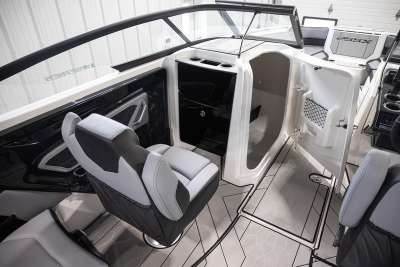
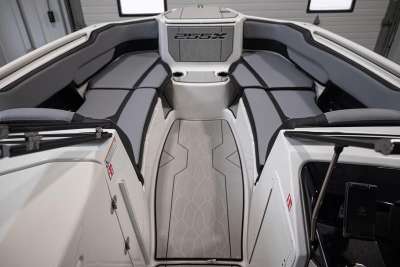
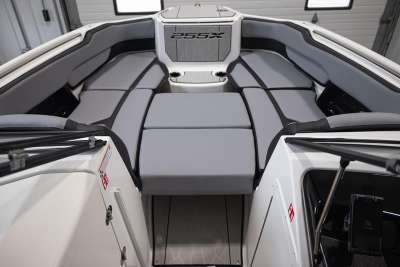
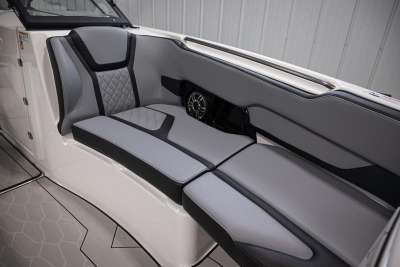
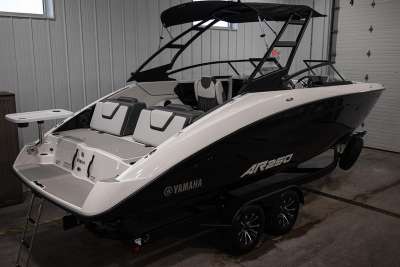
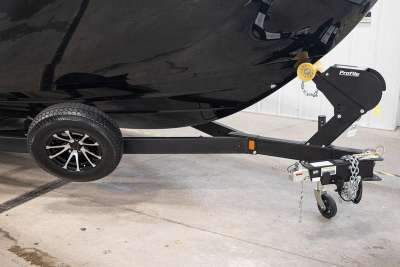
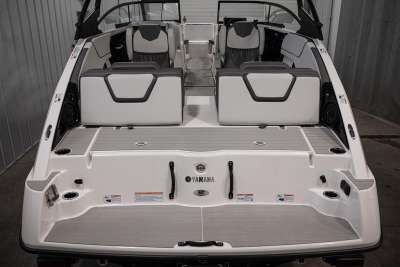
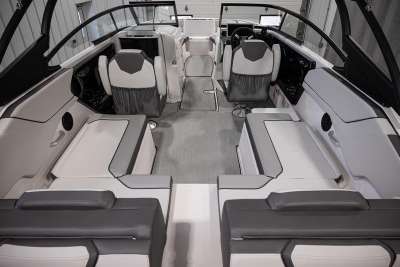
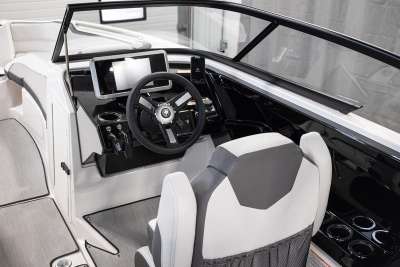
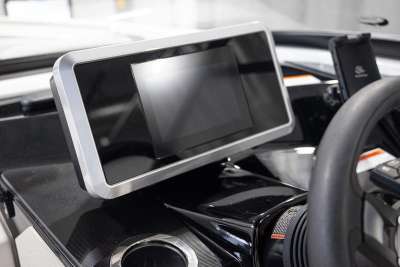
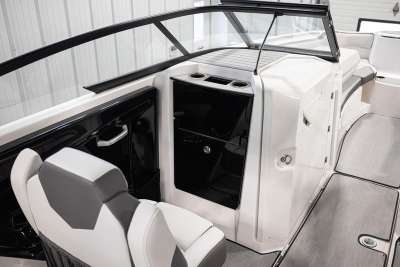
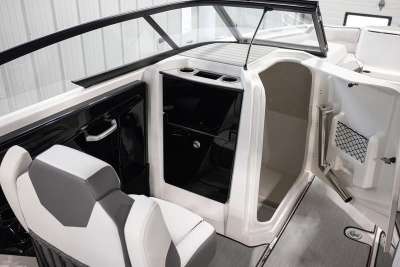
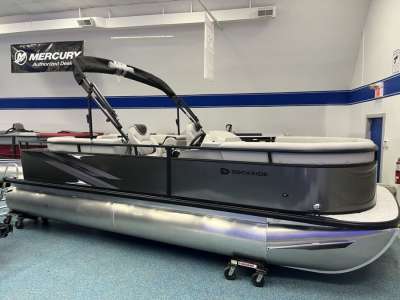
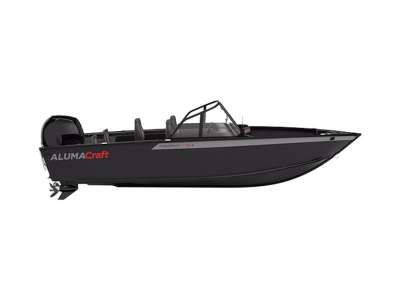
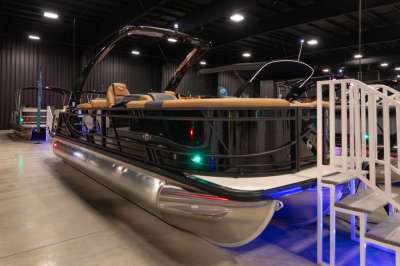
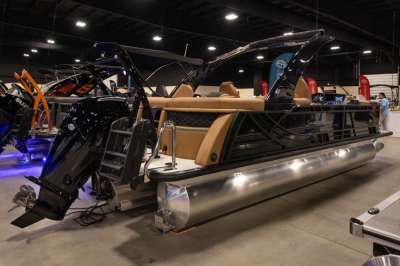
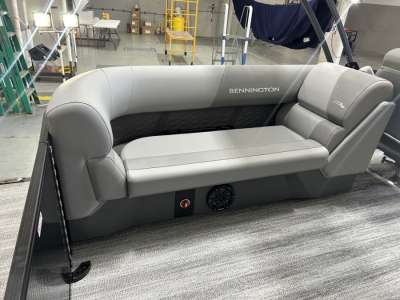
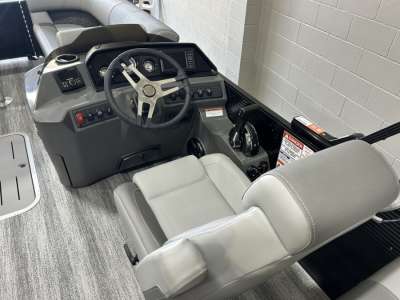
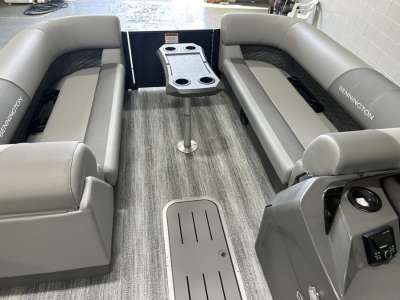
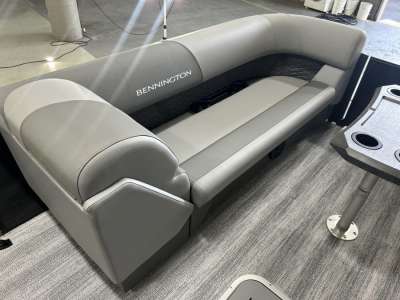
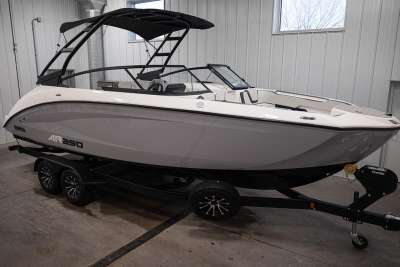
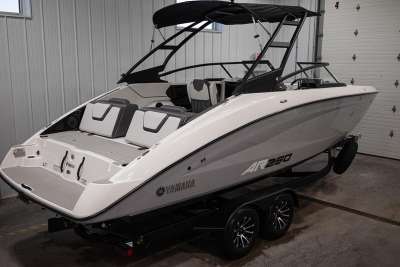
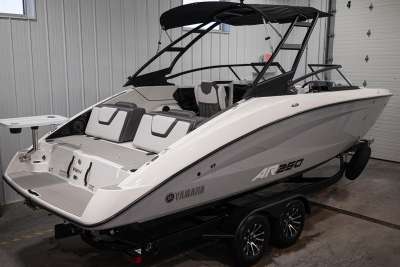
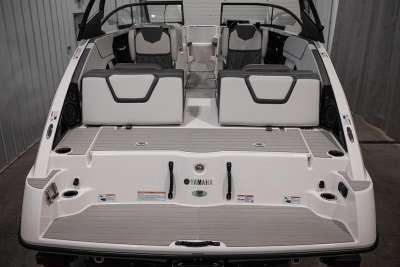
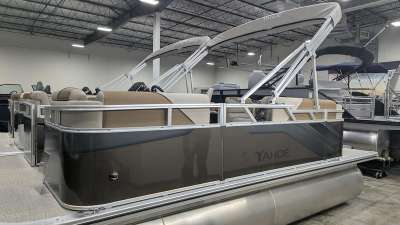
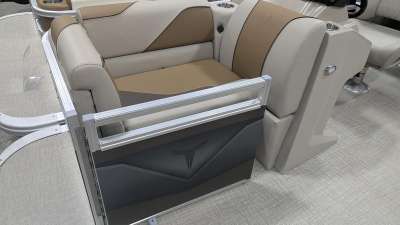
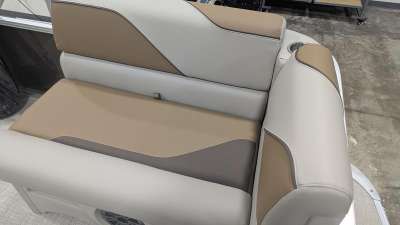
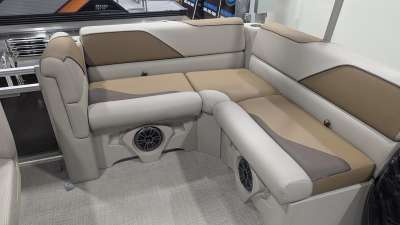
The city of Milwaukee, located on the western shore of Lake Michigan, has a long and vibrant history that intertwines closely with its boating culture. From early settlers who used simple wooden boats to modern luxury yacht dealers today, the evolution of boat dealerships reflects broader economic shifts, technological advances, and regional maritime trends.
In the mid‑1800s, Milwaukee’s waterfront was dominated by small fishing vessels, pleasure barges, and trade schooners. Local entrepreneurs began to recognize a demand for boats that could serve both commercial and recreational purposes. The first boat dealers in Milwaukee were often carpenters or shipwrights who sold locally built wooden crafts directly from their workshops.
These early merchants operated out of modest storefronts along the harbor, offering custom-built canoes and small fishing skiffs. Their clientele consisted largely of fishermen, local farmers needing transport across Lake Michigan’s shallow bays, and a growing number of affluent residents seeking leisure vessels for weekend outings.
As Milwaukee grew into an industrial hub during the early twentieth century, so did its boating market. The introduction of mass‑produced steel hulls and gasoline engines revolutionized boat manufacturing. Boat dealers adapted by stocking a broader range of models—speedboats for sport fishing, motor launches for lake touring, and even small passenger ferries.
Dealerships began to specialize in specific niches: some focused on working vessels such as tug boats that serviced the city’s bustling shipping lanes; others became known for supplying high‑performance racing crafts used by local yacht clubs. The increased availability of new models also spurred a boom in boating tourism, with visitors arriving from across Wisconsin and neighboring states.
The post–World War II era saw significant economic growth throughout the United States, including Milwaukee’s waterfront communities. A surge in disposable income led to an increased demand for luxury recreational boats—yachts, sailboats, and high‑speed motor yachts.
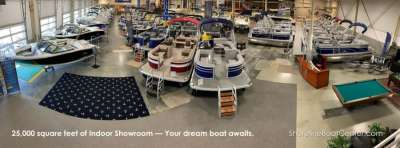
Boat dealers capitalized on this trend by expanding showroom spaces, offering financing options, and providing after‑sales services such as maintenance workshops and storage facilities. Many dealers also began partnering with local marinas to secure docking privileges for their customers’ vessels.
In recent decades, Milwaukee’s boat dealership scene has diversified further. Dealers now offer a wide spectrum of products ranging from affordable inflatable rafts to multi‑tonne superyachts. They also provide specialized services such as custom paint jobs, engine upgrades, and navigation equipment installations.
The rise of the internet has reshaped how boat dealers operate. While physical showrooms remain essential for demonstrating vessel quality, many dealerships now maintain detailed online catalogs, virtual tours, and digital financing calculators to attract tech‑savvy buyers from across Wisconsin and beyond.
The growth of boat dealers in Milwaukee has been influenced by a complex framework of regulations. At the federal level, agencies such as the U.S. Coast Guard set safety standards for vessel construction and operation. States—including Wisconsin—implement licensing requirements, environmental protection laws governing fuel storage, and local ordinances that dictate docking fees.
Dealers must stay abreast of changes in these regulatory environments to avoid penalties and maintain customer trust. This has led many businesses to employ compliance specialists who monitor legislative updates and ensure all sales practices meet current legal standards.
Boat dealerships contribute significantly to Milwaukee’s economy through job creation, tax revenues, and tourism stimulation. Direct employment includes sales staff, marine mechanics, administrative personnel, and marketing teams. Indirectly, dealers support ancillary industries such as boat manufacturing plants, marina operators, hospitality services for boating enthusiasts, and local retail businesses offering accessories.
Moreover, the presence of reputable dealerships enhances Milwaukee’s appeal to potential residents and investors who value a robust maritime lifestyle—further reinforcing the city’s economic resilience.
The next wave in boat dealership evolution will likely focus on sustainability. Electric propulsion systems are gaining traction among environmentally conscious consumers, prompting dealers to expand inventory of hybrid or fully electric boats. Additionally, advancements in materials science—such as carbon‑fiber hulls—promise lighter, more efficient vessels.
Dealerships that adopt green technologies early can position themselves as leaders within Milwaukee’s boating community. Partnerships with research institutions and participation in industry consortia will be crucial for staying ahead of regulatory shifts toward stricter emissions standards.
The history of boat dealers in Milwaukee, Wisconsin reflects a dynamic interplay between local culture, technological innovation, economic forces, and environmental stewardship. From humble carpenters selling handcrafted canoes to modern multi‑service enterprises offering high‑tech electric yachts, the industry has continuously adapted while preserving its core mission: connecting people with Lake Michigan’s abundant waters.
As Milwaukee continues to evolve as a hub for maritime commerce and recreation, boat dealers will remain central players—shaping how residents experience boating today and ensuring that future generations can enjoy the same rich heritage on the lake’s sparkling surface.
The boating industry has experienced steady growth over the past decade, driven by increased leisure time and rising disposable income among middle‑class households worldwide. Central to this expansion are boat dealers—professionals who bridge manufacturers and consumers, providing essential services from product selection to after‑sales support.
A boat dealer is an individual or business that sells boats directly to customers. They typically work with one or more manufacturers, offering new models as well as used vessels. Their responsibilities go beyond simple transactions; they provide expert guidance on vessel types, maintenance needs, and financing options.
Boat dealers perform several key functions that support the entire marine supply chain.
Dealers act as brand ambassadors. They maintain showroom aesthetics that reflect the manufacturer’s image while also creating an inviting environment for prospective buyers. Marketing efforts—such as hosting test‑drive events, participating in boat shows, or offering seasonal promotions—are coordinated with manufacturers to align messaging.
Boat dealers contribute significantly to local economies by generating employment opportunities and stimulating ancillary businesses such as marine repair shops, fuel stations, marinas, and hospitality services. A thriving dealership can attract tourism in coastal regions, thereby boosting hotel occupancy rates and restaurant revenues.
Selecting an experienced dealer can make the difference between a satisfying purchase and potential post‑purchase headaches. Here are essential factors to evaluate:
Several emerging trends are reshaping how boat dealers operate and interact with customers. Understanding these dynamics is vital for both industry participants and prospective buyers.
The boat dealer remains a cornerstone of the marine industry. By offering knowledgeable guidance, financing solutions, and comprehensive after‑sales support, dealers facilitate access to boating for millions worldwide while sustaining local economies and fostering maritime culture.
The city of Milwaukee has a long and proud tradition as a center for boat sales and marine services on the Great Lakes.
As early as the late 1800s, local entrepreneurs began to recognize the potential of Lake Michigan. Small storefronts appeared along the waterfront where customers could browse wooden sailboats and modest motor vessels. These pioneers laid the groundwork for what would become a thriving boat dealership network in Milwaukee.
The advent of affordable gasoline engines changed the market dramatically. Boat dealers expanded their inventory to include faster, more reliable models. The Great Depression slowed growth temporarily, but post‑war prosperity spurred a boom in recreational boating. Milwaukee’s shipyards and dealer shops collaborated closely, offering complete packages from purchase through maintenance.
During this era, dealers began to adopt showroom concepts, with polished displays and professional sales staff. The introduction of fiberglass construction allowed for lighter, more durable boats that appealed to a broader customer base. Milwaukee’s dealerships were early adopters of these materials, positioning the city as an innovator on the Great Lakes.
Today, boat dealers in Milwaukee offer a wide range of vessels: from luxury yachts and high-performance racing boats to fishing trawlers and amphibious craft. Many retailers have expanded their services beyond sales to include financing options, extended warranties, and comprehensive marine maintenance programs.
Milwaukee’s boat dealers play a vital role in the local economy by creating jobs, supporting shipyards, and fostering tourism on Lake Michigan. Their commitment to customer service has earned them a reputation as trusted partners for both seasoned sailors and newcomers alike.
The legacy of boat dealerships in Milwaukee continues to evolve as technology advances and consumer preferences shift. With a rich history rooted in innovation and community support, the city remains one of Wisconsin’s premier destinations for maritime commerce.
Milwaukee is the largest city in the U.S. state of Wisconsin and one of the most historically significant urban centers on the western shore of Lake Michigan. Its rich heritage, diverse cultural landscape, thriving arts scene, and robust economic profile make Milwaukee a focal point for regional tourism and business development.
Milwaukee’s beginnings trace back to Native American tribes such as the Potawatomi who first inhabited the area. European settlement began in earnest with French fur traders in the early 18th century, followed by German immigrants arriving in large numbers during the mid-1800s. This wave of settlers established a robust manufacturing base that would later evolve into one of Milwaukee’s core economic pillars.
By the late nineteenth and early twentieth centuries, Milwaukee had become known for its brewing industry. The city earned a reputation as “The Brewing Capital of America,” with iconic breweries such as Miller, Pabst, and Schlitz shaping both local identity and national beer culture. These enterprises not only provided employment but also fostered community events that remain integral to the city's heritage.
While brewing remains a symbolic industry in Milwaukee’s cultural narrative, the modern economy is diversified across several sectors:
Milwaukee offers an array of cultural institutions that attract both residents and visitors:
Annual festivals further enliven the city. Summerfest, held every July at American Family Field, is often cited as one of the world’s largest music festivals, drawing millions of attendees each year. Oktoberfest Milwaukee offers a German cultural experience with traditional food, music, and beer tastings.
Milwaukee benefits from its proximity to Lake Michigan, offering numerous waterfront activities such as sailing, kayaking, and beach relaxation at East Side Beach. The city’s extensive park system includes:
The city is home to several higher education institutions that contribute significantly to research, innovation, and workforce development. The University of Wisconsin–Milwaukee (UWM) offers a broad spectrum of undergraduate and graduate programs across disciplines such as engineering, business, arts, and health sciences.
The Milwaukee Public School system provides K‑12 education to a diverse student body. Initiatives focused on STEM enrichment and bilingual education reflect the city’s commitment to inclusive learning environments.
Milwaukee is well-connected through multiple transportation modalities:
The population of Milwaukee reflects a blend of ethnic groups, with German ancestry historically predominant. Contemporary demographics show substantial representation from African American, Hispanic/Latino, Asian, and other communities, creating a multicultural environment that enriches the city’s social fabric.
Residential options range from historic brick rowhouses in neighborhoods like Bay View to modern apartments along downtown. The real estate market has seen steady appreciation driven by demand for urban living near employment centers and cultural venues.
Milwaukee is actively pursuing initiatives that align economic development with environmental stewardship:
The city’s strategic planning emphasizes balancing heritage preservation with modern urban demands. By integrating community input, Milwaukee positions itself as a forward-thinking hub within Wisconsin that honors its historical roots while embracing future possibilities.
Boat dealers have played a pivotal role in the maritime industry since the early days of sail. Their evolution reflects broader technological advancements, shifting consumer preferences, and global economic trends.
In the 18th century, coastal towns along Europe’s bustling trade routes began to see an influx of small merchants who specialized in selling boat parts, rigging supplies, and ready-to-assemble vessels. These early dealers operated from modest storefronts or warehouses near harbors, offering a variety of wooden boats for fishermen, traders, and local nobility.
The 19th century brought the Industrial Revolution to shipbuilding. Mass production techniques meant that boat manufacturers could produce hulls in larger quantities. Dealers adapted by establishing showrooms where customers could compare models side‑by‑side, consult on customization options, and secure financing for their purchases.
Post‑World War II economic prosperity fueled a boom in recreational boating. The 1950s saw an explosion of fiberglass construction—a lighter, more durable material that drastically reduced manufacturing costs and increased dealer margins. Dealership chains formed to capitalize on this trend, opening multiple locations across the United States.
By the late 20th century, boat dealers began offering in‑house financing options, making larger purchases more accessible to a broader demographic. Credit terms ranged from short‑term loans for used vessels to long‑haul installment plans for new builds, allowing dealerships to maintain healthy cash flow while expanding inventory turnover.
The 1990s marked the beginning of online presence for boat dealers. Early websites featured basic product listings, dealer locations, and contact information. As broadband internet became widespread in the early 2000s, dealerships began creating detailed catalogs with high‑resolution images, technical specifications, and customer reviews.
Modern boat dealers rely heavily on search engine optimization to attract potential buyers searching for phrases such as “boat dealer near me,” “new boats for sale,” or specific model names. Effective keyword placement in titles, headers, meta descriptions (not shown here), and throughout the content ensures higher visibility.
Today’s boat dealerships are multifaceted enterprises offering a full suite of services: pre‑purchase inspections, after‑sales maintenance packages, marine insurance brokerage, and even charter management. Many have expanded into mobile app platforms that allow customers to browse inventory on the go.
Responding to growing environmental concerns, several dealers now partner with manufacturers producing eco-friendly boats—those powered by solar or hybrid engines—and provide educational resources for green boating practices. This shift not only appeals to environmentally conscious consumers but also aligns with global regulatory trends.
Looking ahead, boat dealers are poised to integrate advanced analytics and artificial intelligence into their sales processes. Predictive modeling can forecast demand spikes in specific regions or for particular vessel types, allowing dealerships to optimize inventory levels accordingly.
Moreover, the rise of autonomous marine vessels may redefine dealer responsibilities—from offering technical support on unmanned systems to facilitating regulatory compliance with maritime authorities. Dealers that adapt early will maintain a competitive advantage and continue shaping the industry’s trajectory.
The history of boat dealers is one of continuous adaptation—shifting from simple merchants in wooden dockside shops to sophisticated, technology-driven enterprises serving a global clientele. Their enduring influence on maritime commerce underscores their importance as both economic catalysts and cultural touchstones within the boating community.
For more than a century, the world of maritime commerce has been shaped by dedicated professionals who bridge buyers and vessels—known today as boat dealers. Their story begins in the early 1900s when small waterfront shops began to emerge along bustling harbors across America. These pioneers offered simple catalogs and face‑to‑face consultations, building trust with customers eager for their first sailing adventure.
As transportation technology evolved, so did the business model of boat dealers. The post–World War II boom brought a surge in recreational boating demand; dealerships expanded from modest storefronts to expansive showrooms on large plots adjacent to marinas. During this era, dealer inventories diversified beyond sailboats and fishing gear to include motor yachts, luxury cruisers, and even amphibious craft.
The 1970s introduced the first wave of industrial automation in boat manufacturing. Dealers adapted by incorporating advanced inventory management systems—allowing them to offer a broader selection while maintaining personalized service. This period also saw the rise of nationwide dealer networks that could source vessels from international shipyards, bringing exotic models into domestic markets.
Entering the 21st century, online presence became essential for boat dealers worldwide. E‑commerce platforms and digital marketing gave dealers access to a global customer base while preserving their traditional strengths: expert guidance, hands‑on inspection, and comprehensive after‑sales support. The integration of virtual tours, 3D models, and live chat has made the buying process more transparent than ever.
Today’s boat dealer landscape reflects a blend of heritage craftsmanship and cutting‑edge technology. Whether located in coastal towns or inland lakeside communities, dealers continue to champion maritime lifestyles by connecting enthusiasts with their ideal vessels—honoring a rich history that began over one hundred years ago and continues to evolve alongside the seas.
The city of Milwaukee in the U.S. state of Wisconsin has a rich and diverse history that dates back thousands of years before it became an incorporated municipality. The area was originally inhabited by indigenous peoples, including the Potawatomi, Menominee, Ho-Chunk (Winnebago), and Ojibwe tribes who utilized its abundant natural resources for fishing, hunting, and gathering.
The first Europeans to arrive were French explorers in the early 17th century. They established trading posts along Lake Michigan’s shores and documented their encounters with Native American groups. By the late 1700s, British traders began to settle around the area that would later become Milwaukee.
The official founding date is May 31, 1846 when settlers organized a city council in what was then known as "Milwaukie." The name derives from an Algonquian term meaning “good land.” It quickly developed into a strategic port due to its location on Lake Michigan and the Milwaukee River.
The 19th century brought significant industrial expansion. Mills, breweries, lumber mills, and railroads established operations in Milwaukee. The city earned nicknames such as “The German Capital of America” because of a large influx of immigrants from Germany who contributed to its brewing industry.
Milwaukee’s manufacturing sector included production of machinery, automobiles, and electrical equipment. In the early 20th century it became one of the largest centers for automobile assembly in the United States with major plants established by General Motors and other manufacturers.
The city fostered a vibrant cultural scene: theaters, museums, and music venues flourished. The Milwaukee Art Museum opened its doors to exhibit modern art collections, while the historic Pabst Theater hosted Broadway shows and local productions.
Milwaukee University of Science & Technology, Marquette University, Lawrence University, and other colleges contributed to educational growth. These institutions attracted students nationwide, further diversifying the city’s demographic profile.
Today, Milwaukee is a major economic center in Wisconsin with diversified sectors such as healthcare, technology, and logistics. The city's waterfront has been revitalized into parks, recreational spaces, and cultural districts that promote tourism while preserving historical heritage sites like the historic Third Ward district.
The city government focuses on urban development projects including public transportation expansions, affordable housing initiatives, and green energy programs. Milwaukee continues to balance its industrial legacy with a commitment toward sustainable growth.
Milwaukee's historical trajectory from indigenous settlement to industrial powerhouse illustrates broader American themes of migration, economic transformation, and urbanization. Its continued evolution reflects a blend of tradition and innovation that shapes its identity within Wisconsin and the United States.
The city of Milwaukee is a cornerstone in the cultural and industrial tapestry of Wisconsin. Founded as a settlement by French traders along the shores of Lake Michigan in the late 18th century, it grew into a major urban center during the 19th century.
The first European presence was marked by fur trading posts established by the North West Company. By the mid-1800s Milwaukee attracted immigrants from Germany, Scandinavia, Ireland, and Eastern Europe. These communities brought diverse traditions that shaped the city’s neighborhoods, cuisine, music, and religious institutions.
Milwaukee became known as “The German Athens” for its vibrant cultural life during the 1800s. The arrival of railroads in the 1850s connected the city to national markets, accelerating growth. In the late 19th and early 20th centuries, Milwaukee’s economy diversified with breweries, machine shops, steel mills, and a thriving manufacturing sector.
The city played a key role in Wisconsin politics, especially during Progressive Era reforms led by figures such as Robert M. La Follette Sr., who served as Governor of Wisconsin before becoming U.S. Senator. Milwaukee’s political activism contributed to statewide legislation on workers’ rights and public utilities.
In contemporary times, Milwaukee has reinvented itself through revitalization projects along the lakefront, expansion of technology firms, and a renewed focus on arts, education, and sustainable development. The city’s historical districts preserve brick streets, Victorian homes, and landmark buildings that continue to attract visitors.
Milwaukee is celebrated for its festivals such as Summerfest, the largest music festival in America, and its culinary heritage highlighted by iconic dishes like bratwurst, cheese curds, and lake fish. These cultural elements reinforce Milwaukee’s identity within Wisconsin and beyond.
Notable landmarks include:
Through continuous adaptation, Milwaukee remains an emblematic example of how urban centers in Wisconsin evolve while preserving their rich historical narrative.
The city of Milwaukee has a long and storied relationship with watercraft commerce that dates back to the mid‑19th century. As one of the largest ports on Lake Michigan, it became an ideal hub for boat dealers who supplied both local residents and visitors from across the Midwest.
The first recorded boat dealer in Milwaukee opened its doors around 1865. Located near the intersection of Congress Avenue and Lake Michigan Drive, this small shop sold wooden rowboats, canoes, and early steam-powered vessels that were popular for fishing and recreation on the lake.
The late 1800s brought rapid industrial growth to Milwaukee. As factories expanded along the riverfront, demand for transportation by water increased. Boat dealers began offering more diverse models—small cargo boats, barges, and pleasure craft—to meet both commercial and leisure needs.
The turn of the century saw a surge in automobile manufacturing in Milwaukee, which coincided with an increase in consumer wealth. Boat dealers capitalized on this prosperity by introducing motorboats, yachts, and sailboats to attract affluent clientele.
By 1910, several specialty boat dealerships had emerged: one focused exclusively on fishing boats for the Lake Michigan cod fisheries; another specialized in racing dinghies popular among local yacht clubs. These niche dealers helped diversify Milwaukee’s maritime economy and cemented its reputation as a center for boating culture.
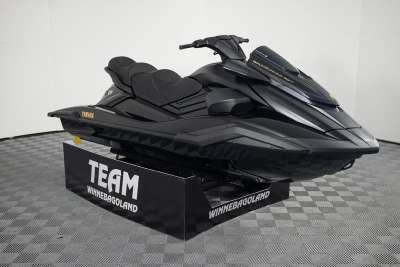
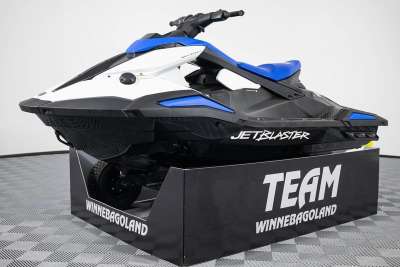
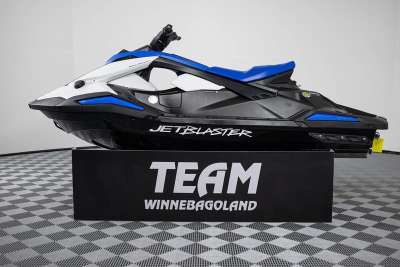
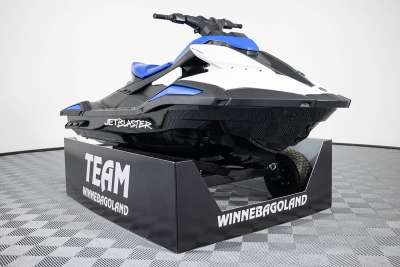
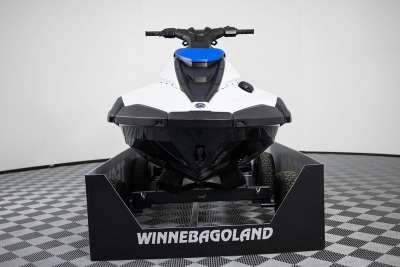
Post World War II prosperity fueled an unprecedented boom in recreational boating. Boat dealerships across the city expanded their inventory to include jet skis, pontoon boats, and fiberglass sailboats—new materials that made vessels lighter and more affordable.
Many Milwaukee boat dealers began sponsoring local regattas and community events, fostering a strong sense of camaraderie among boating enthusiasts. This partnership with civic organizations helped keep the industry vibrant during periods of economic uncertainty.
From the 1970s onward, Milwaukee’s boat dealers have adapted to changing market demands by embracing technology and environmental stewardship. Today’s dealerships offer a wide range from high‑performance racing yachts to eco-friendly electric boats designed for Lake Michigan’s sensitive ecosystems.
Modern boat dealers incorporate green initiatives such as recycling used parts, providing fuel efficiency consulting services, and partnering with local environmental groups. These efforts align the industry with growing consumer interest in sustainability while maintaining high sales performance.
The history of boat dealers in Milwaukee, Wisconsin exemplifies a dynamic blend of commerce, culture, and community. From modest wooden rowboats to sophisticated electric sailcraft, each era has left an indelible mark on the city’s identity as a premier lakefront destination.
Boat dealers play an essential role in the marine industry, serving as trusted partners for individuals and businesses seeking reliable vessels. Whether you are a first-time buyer looking to purchase your inaugural recreational boat or a seasoned yacht owner searching for advanced models, understanding how a professional boat dealer operates can save time, money, and frustration.
A reputable boat dealership offers more than just sales. Key services include:
Selecting a boat dealer that aligns with your objectives involves careful consideration of several factors:
A typical purchase journey includes:
A dedicated boat dealership often continues to support owners long after the sale:
The marine market is dynamic. Current trends affecting boat dealers include:
Selecting the right boat dealer can transform a complex purchase into an enjoyable experience. Prioritize dealerships that:
By understanding the roles, services, and emerging trends within boat dealerships, you position yourself for a well-informed purchase that delivers satisfaction both on land and at sea.
This website stores data such as cookies to enable site functionality including analytics and personalization. By using this website, you automatically accept that we use cookies.